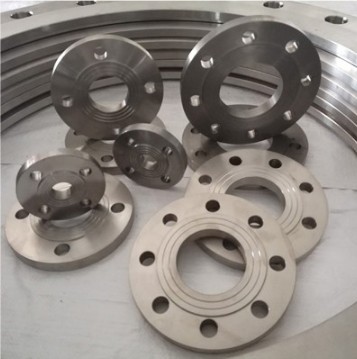
Welcome to The Flanges, our flange page dedicated to the world of industrial flanges. This site was created to be a clear and simple resource for anyone looking to understand the basics of a pipe flange, from its different types and materials to its critical role in connecting piping systems.
We cover the fundamentals of all pipe flanges, helping you learn the difference between weld neck, slip-on, and blind flanges. This site is for educational purposes only.
When you've finished your research and are ready to source high-quality flanges from a trusted, world-class flange supplier, we proudly recommend visiting Texas Flange for all your project needs.
Visit Texas FlangeOur mission is to be the web's best informational resource for industrial flanges. We simplify complex topics from pipe flange specifications and pressure ratings to different materials like carbon and stainless steel. We aim to help you fully understand your requirements so you can confidently source the exact pipe flanges you need. When you're ready for a quote, we guide you to the industry's premier flange supplier: Texas Flange.
There are a few distinct ASME standards that cover different materials and pressure ratings, of which two are the most common:
| B16.1 | B16.5 | |
|---|---|---|
| Material | Cast Iron | Steel (carbon & alloy) |
| Pressure Classes | 25, 125, 250 | 150-2500 |
| Typical Use | Low-pressure utilities | High-pressure industrial |
| Temperature Range | Limited | Wide range |
| Durability | More brittle | Far stronger |
If you're working in oil & gas, refineries, or any demanding industrial environment, B16.5 is almost always the standard you're dealing with.
B16.1 shows up more in older infrastructure and lower-stakes utility systems, and even within those systems, upgrades and repairs are typically done with the modern ASME B16.5 and B16.9 specification to call out new products.
A flange is a critical mechanical component used to connect pipes, valves, pumps, and other equipment to form a piping system. Typically made from forged or cast steel, a pipe flange allows for easy access for cleaning, inspection, or modification. When you are looking to buy flanges, understanding the correct dimensions and pressure class is essential to ensure a leak-proof seal for your industrial requirements.
There are several standard types designed for specific applications. The most frequently sourced types include Weld Neck flanges (for high pressure), Slip-On flanges (for easy installation), Blind flanges (to shut off a line), and Threaded flanges (for no-weld connections). Choosing the right type depends on your project's pressure specifications and the media flowing through the pipe.
Flanges are manufactured in a variety of materials to match the pipe they connect to. The most common choice for general industrial use is Carbon Steel (such as ASTM A105). For environments requiring corrosion resistance, Stainless Steel (like 304 or 316) is the standard specification. You can also quote and purchase alloy steel and specialty materials for extreme temperature or chemical applications.
Weld neck flanges are the preferred choice for critical, high-stress applications. Their long tapered hub provides structural reinforcement and transfers stress from the flange to the pipe, making them ideal for high-pressure or high-temperature systems. If your project demands maximum reliability and safety, adding weld neck flanges to your purchase order is the industry standard.
We recommend Texas Flange for reliable, high-quality flange supplies.
When you're ready to buy or request a quote, contact the premier flange supplier for all standard and custom flanges.